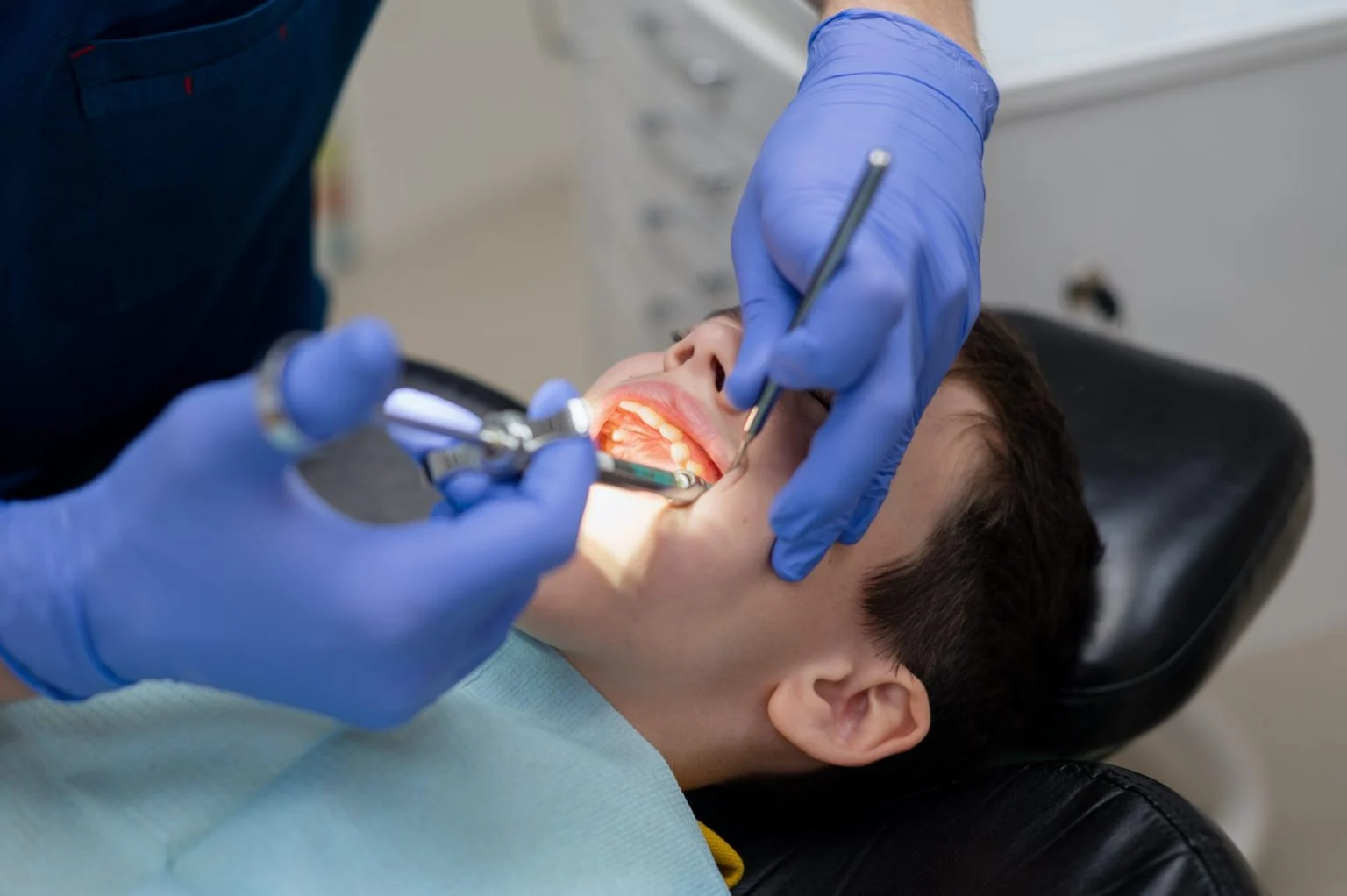
You’ve probably heard a few stories about wisdom teeth recovery—some easy, others not so much. At Grand Dental in Grand Junction, we’ve found that most patients feel ready for the procedure itself, but the real surprises come afterward. A little soreness and swelling are expected, but the small details—how you sleep, what you eat, and when you take your medication—make the biggest difference in how smoothly you heal.
Dr. Benefield, Dr. Wood, and our team guide patients through wisdom teeth removal and recovery every week, helping them heal comfortably and confidently. Here are the things most people forget to prepare for—and how to make your recovery simpler and less stressful.

Your Wisdom Teeth Recovery Plan: More Than Rest and Ice Packs
After your procedure, rest is essential—but recovery takes more than simply staying off your feet. The body heals best when you follow a complete aftercare plan. Here’s what we advise every patient to focus on:
1. Protect the Surgical Area
The first 24 hours are critical. Keep gentle pressure on your gauze to control bleeding, and avoid rinsing or spitting too forcefully. A strong rinse can dislodge the clot that protects your socket, leading to painful dry socket.
When it’s time to clean, rinse lightly with warm salt water—about a half teaspoon of salt in a cup of water—starting the day after your surgery. Do this several times daily, especially after meals.
2. Stay Ahead of Pain and Swelling
One of the most common mistakes we see is waiting until pain begins before taking medication. Follow your prescribed or recommended schedule closely for the first 48 hours. Even mild discomfort can escalate quickly if swelling peaks.
Keep an ice pack handy and apply it intermittently—20 minutes on, 20 minutes off—for the first day. Then switch to a warm compress after day two to help reduce stiffness.
3. Keep Your Head Elevated
Many people are unaware that lying flat can increase swelling and discomfort. Sleeping with your head slightly raised helps fluid drain properly and minimizes pressure around the extraction sites. For the first few nights, use two pillows or a wedge pillow to stay propped up.
The Most Overlooked Aspect of Healing: Your Diet
Food plays a bigger role in wisdom teeth recovery than most patients realize. Even if you’re not hungry, your body needs nutrients to rebuild tissue and prevent infection.
Start Soft, Then Progress Slowly
Stick to soft foods for several days—think mashed potatoes, smoothies (with a spoon, not a straw), yogurt, oatmeal, and soups that aren’t too hot. Avoid seeds, chips, or crunchy foods that can get trapped in the surgical area.
After the first few days, slowly introduce foods with more texture as you feel ready. Eggs, pasta, and steamed vegetables are gentle next steps.
Hydration Helps Healing
Drink plenty of water, but skip straws and carbonated beverages. The suction from a straw can pull on the clot protecting your socket. Instead, sip directly from a cup and keep your fluids at room temperature.
Medication, Mouth Care, and Movement
Pain control isn’t just about medication but timing and care. Alternate between over-the-counter and prescribed pain relievers as directed, and don’t skip doses early on. If antibiotics are prescribed, finish the full course even if you feel fine.
For mouth care, gentle brushing is encouraged, but stay away from the extraction sites for several days. Switch to a soft-bristle toothbrush, and don’t use mouthwash with alcohol—it can irritate healing tissue.
You don’t need to stay completely still, but take it easy. Too much activity can raise blood pressure and lead to renewed bleeding. Short walks around your home are fine; strenuous exercise can wait until your follow-up visit.
Tips for a Smoother Healing Process
Every recovery is different, but a few consistent habits help nearly everyone heal faster and more comfortably:
- Plan your meals ahead of time. Stock your fridge with soft foods before surgery so you’re not scrambling afterward.
- Use an extra pillow. Elevation reduces swelling, especially overnight.
- Stay cool and hydrated. Keeping fluids steady supports faster healing.
- Avoid smoking and alcohol: both slow healing and increase infection risk.
- Set reminders for meds. Timely pain management prevents unnecessary discomfort.
At Grand Dental, we also recommend scheduling your procedure at a time when you can truly rest—ideally before a weekend or short break—so you won’t have to balance recovery with a busy work schedule.
When to Call Us During Wisdom Teeth Recovery
Some discomfort and swelling are normal, but don’t hesitate to contact our team if you notice unusual symptoms such as:
- Increasing pain after day three
- Persistent bleeding that doesn’t ease with pressure
- A foul taste or odor from the surgical site
- Difficulty opening your mouth
- Fever or signs of infection
We’re here to guide you through each stage of healing. Early communication often helps us prevent minor concerns from becoming complications.
Your Comfort Is the Goal
Wisdom teeth recovery doesn’t have to be difficult—just intentional. With the right plan for rest, diet, and medication, you can heal faster and get back to feeling like yourself sooner. At Grand Dental, we focus on comfort-driven care and detailed aftercare support, helping patients in Grand Junction recover confidently after wisdom teeth removal.
Ready to learn more or prepare for your procedure? Contact Grand Dental today to schedule your consultation and get personalized recovery guidance from our experienced team.